
by Thomas Acker
I have been contemplating the state of our country. Many topics come to mind but the one I have been most mindful of is the tsunami of white supremacy and extreme capitalism, i.e. corruption, that are destroying both our society and our natural environment. I can provide factoids to support my assertion, but that tactic tends not to help convince one of my arguments.
What may be more helpful is to trace some of the statements by leaders in this project of trying to persuade the American (i.e. U.S.) public to see that this is the case, that the U.S. is suffering from amnesia in its unwillingness to recognize the multigenerational trauma committed against the people of color of this country by its unrepentant white supremacy.
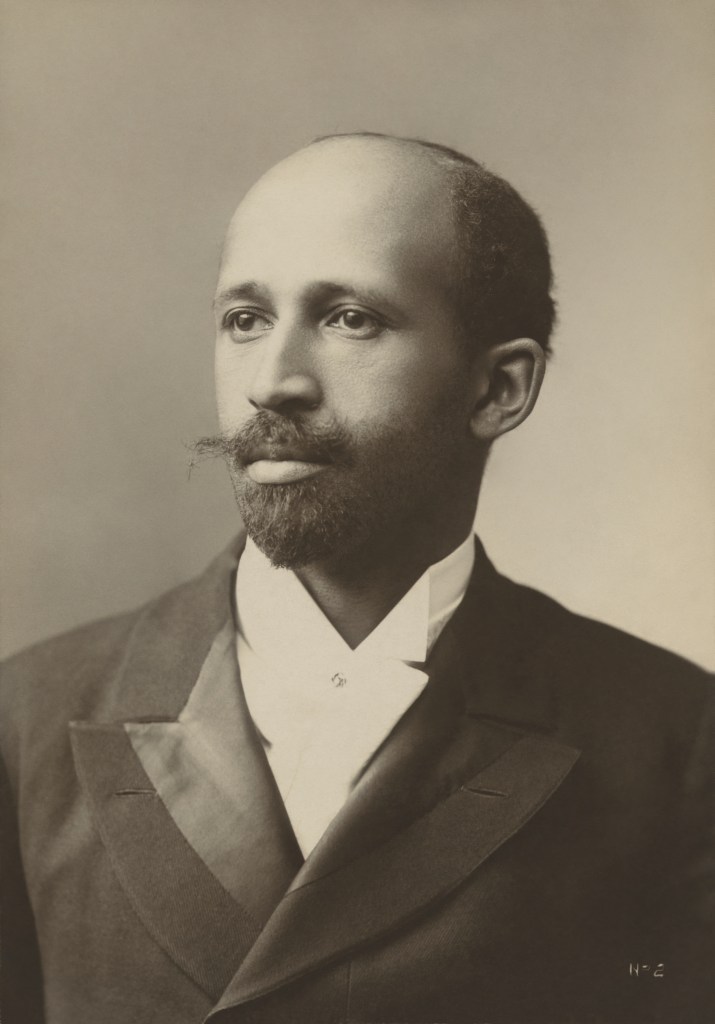
Two of the most convincing proponents, for me, have been W.E.B. Du Bois (1868-1963) and James Baldwin (1924-1987). Both men provide a perspective that is critical of the prevailing narrative of U.S. triumphalism. Du Bois’ writings are based on his academic research, especially his exceptional study Black Reconstruction in America 1860-1880 and, in Baldwin’s case, his intense lived experience as a gay Black man and informed observer of the American civil rights movement both in his vantage points from France and Turkey and Harlem, in the U.S.
In the case of Du Bois, he lays out a convincing argument illustrating through historical documentation how the failure to completely implement Reconstruction in the U.S. during and after the Civil War marked what could have been comparable to the Reformation, the French Revolution and other great achievements of humankind, freeing the four million enslaved African Americans and introducing suffrage, access to land and education, for poor southern whites as well as Black freedmen. However, the Reconstruction project was derailed. The unreconstructed Confederate states were allowed to return, under the Johnson administration with all their rights to the U.S. Congress, and with rare exceptions, with unrepentant Confederate representatives in the lower and upper houses, and , in so doing, to stop the implementation of the abolitionist plans that Stephens and others had designed through the Freedmen’s Bureau and other projects such as sending U.S. troops to former confederate states in order to protect new African American voters and their leaders.
Instead of realizing the great democratization of the U.S. and setting an example for the world that white supremacy was a myth as demonstrated by the achievements of the post civil war freed slaves, there was unleashed a horrific vengeance on the part of the southern planter class and the poor working class whites that coincided with the corruption of Northern investors taking advantage of the yet to recover south. The freedmen and women were left in the southern states at the mercy of the black codes, the Ku Klux Klan and the wave of violence that is estimated to have included more than 4000 lynchings, not only of Black Americans, but of Mexicans, Chinese and Italians throughout the south and southwest in the states that were formerly Mexico.
According to Du Bois, subsequent to the failure of Reconstruction, came another failure in the U.S.: the publication of American history books used throughout our educational systems, that propagandized generations of U.S. students with a false recounting of 1870-1876 reconstruction as a failure due to the ignorance and cowardice of the Black freedmen.
The history documented by Du Bois, was one where courageous and intelligent Black men led efforts to ratify new states’ constitutions throughout the south. These leaders were elected to seats in statehouses throughout the south as well as in the U.S. Congress. However, those achievements were only possible while there was protection from the federal government. After the brief window of opportunity, the federal government withdrew the troops from the southern states and the petitions for land were denied. Darkness blighted the south and black codes and racist suppression took root and lasted for three quarters of a century. This reality was largely denied by the U.S. establishment. Today, we are struggling to ensure that future generations hear the truth about that pivotal episode of U.S. history.
This was the reality of the Black freedmen’s tragic history. And because of the unfulfilled obligation of the U.S. to achieve its democracy in its fullest, James Baldwin, one of the country’s greatest critics wrote “To be black and conscious in America is to be in a constant state of rage.” But the example of Baldwin was one of love. “I love America more than any other country in the world, and, exactly for this reason, I insist on the right to criticize her perpetually.” he bravely proclaimed.
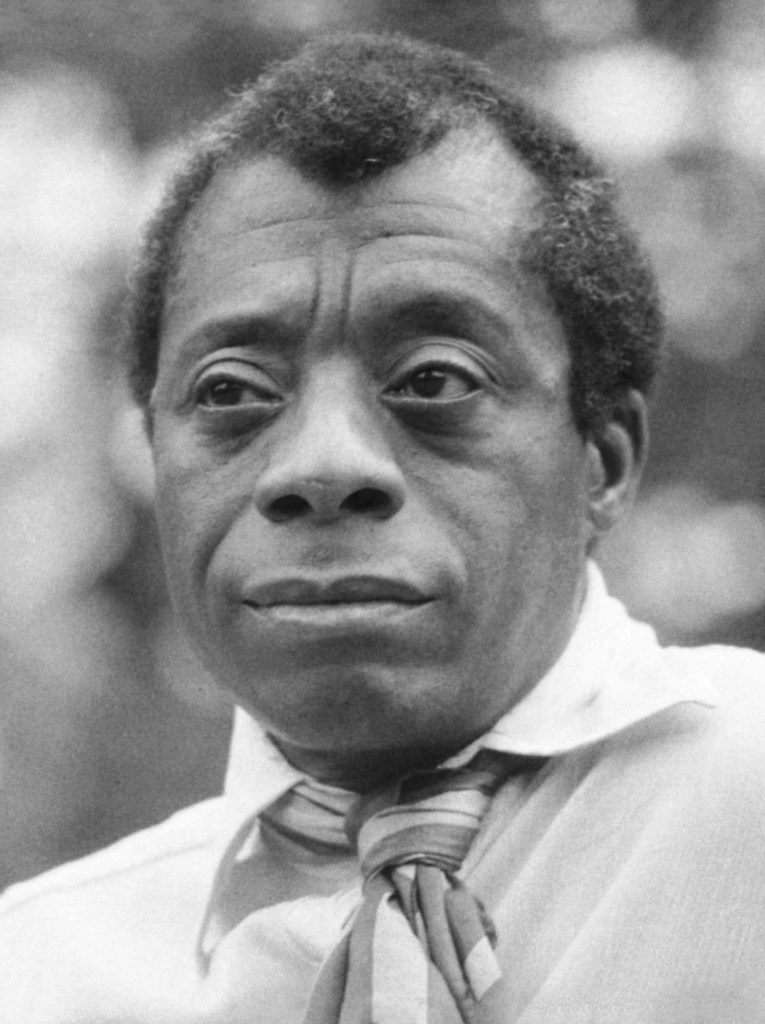
His generation of African American leaders included Martin Luther King, Rosa Parks, Malcome X, Stokely Carmichael and hundreds of unnamed others that demanded the U.S. fulfill this obligation to recognize our failings and realize our duty to extirpate white supremacy from our country’s culture by first recognizing the suffering it has inflicted on generations of Americans and work to right those wrongs. Their courageous efforts to force the country to change resulted in the violent deaths by assassination of some and legal persecution of others. If we desire to see our country complete the democratic project and insist it carry out this legacy , we must ensure that education and funding programs, some that may take the form of financial indemnification of the communities that have suffered and are still suffering from the evil of white supremacy.
Our democracy is very much still a work in progress.
###
The Revolutionist is 100% volunteer run and subscriber funded. We do not sell our soul for advertising dollars, nor do we prostrate ourselves for grants from the non-profit industrial complex. We are community media. Join the community! Subscribe today at whatever rate you can, and get a hard copy of The Revolutionist in your mailbox. Subscribing subsidizes free distribution copies.


 The Revolutionist