
By People’s History of the Grand Valley
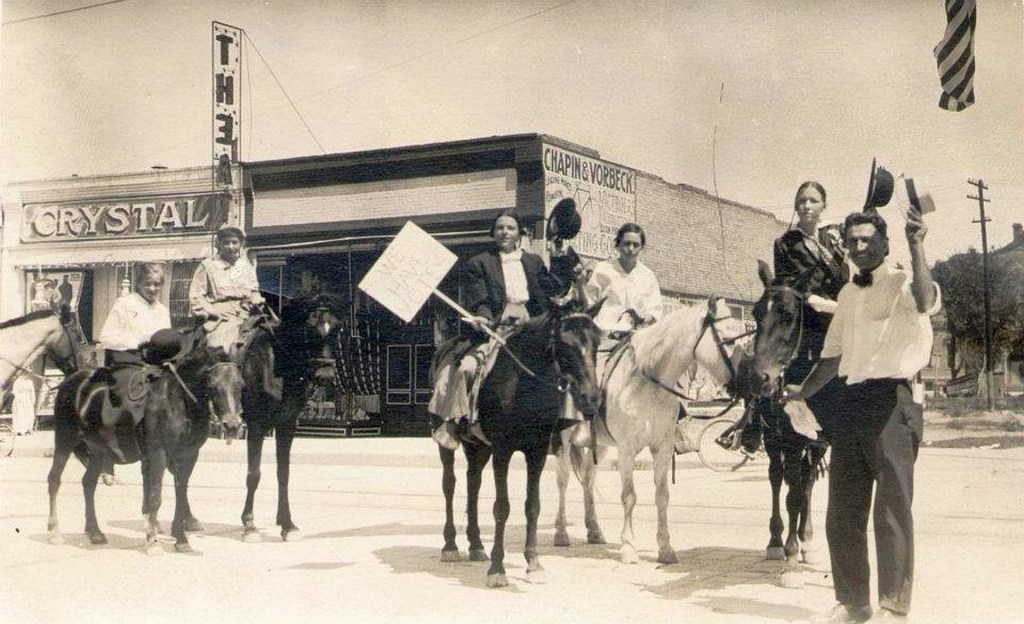
Grand Junction has a rich feminist history. In 1893, when Colorado voted to give women the right to vote, Mesa County passed the amendment by the largest margins in the state. Photo of Suffragist rally on Main St. Circa 1910s.
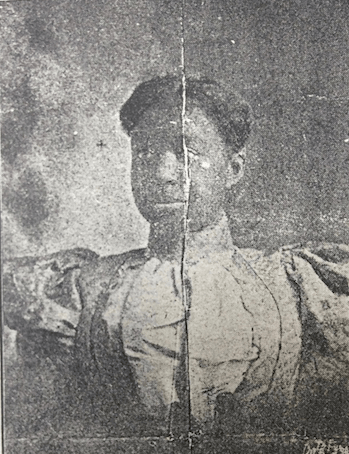
In 1895, Elizabeth Taylor and her husband started Utah’s first Black newspaper. In 1904, she organized the Western Federation of Colored Women, including a chapter in GJ. After her husband died, she continued to run the paper before moving to Grand Junction to serve as the Minister at the Handy Chaple. She served during the rise of the KKK in the 1920s. Her sons, and her grand-daughter, Josephin Dickey, were also leaders in the GJ Black Community.
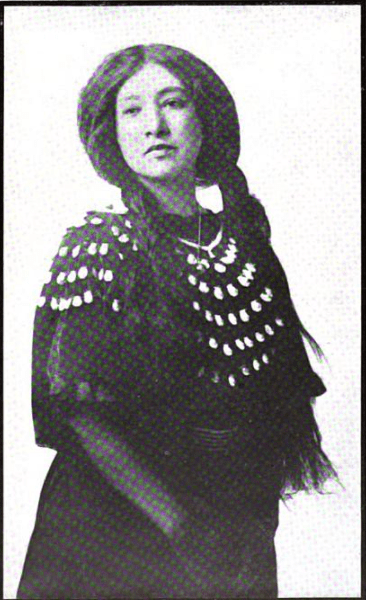
Emma Rainy was a student at the Teller Indian School, her acting and singing voice garnered attention and she was transferred to the Carslie Indian School, the flagship of the Indian boarding school system. She graduated with a vocational education in sewing and laundry. But Rainy had other ideas. After graduation she went on to be the first American Indian lead in a vaudeville show and later starred in early Hollywood westerns. She died young of the Spanish Flu near her home in Idaho.
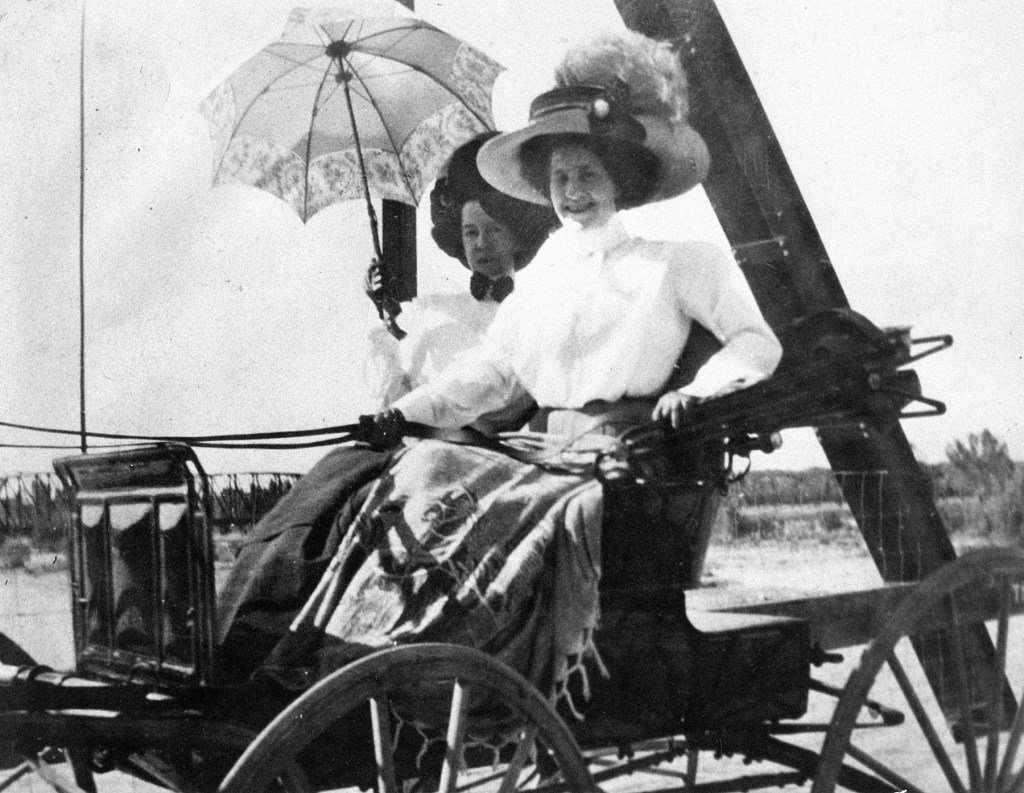
Grand Junction like any frontier town had a red-light district. Two of its madams Jean Harris and Nell Page. It appears that they both likely worked as prostitutes before becoming keepers of their own establishments. Nell, also known has ‘Broken Jaw’ after she was shot in the face in a Leadville brothel. Nell would operate a house until her death in 1933, and Jean was still in business when WWII broke out.
In 1968, Mary Burns took a stand against the Vietnam War. A Marine at the time Mary was court martial for refusing to wear her uniform or preform work that aided the war effort in Vietnam. Her case made national news and was one of the first cases of soldiers refusing orders as a means of resisting the Vietnam War. She was issued a small fine, confined to barracks, and was quietly discharged. Local letters to the editor called her a traitor. We call her a hero.
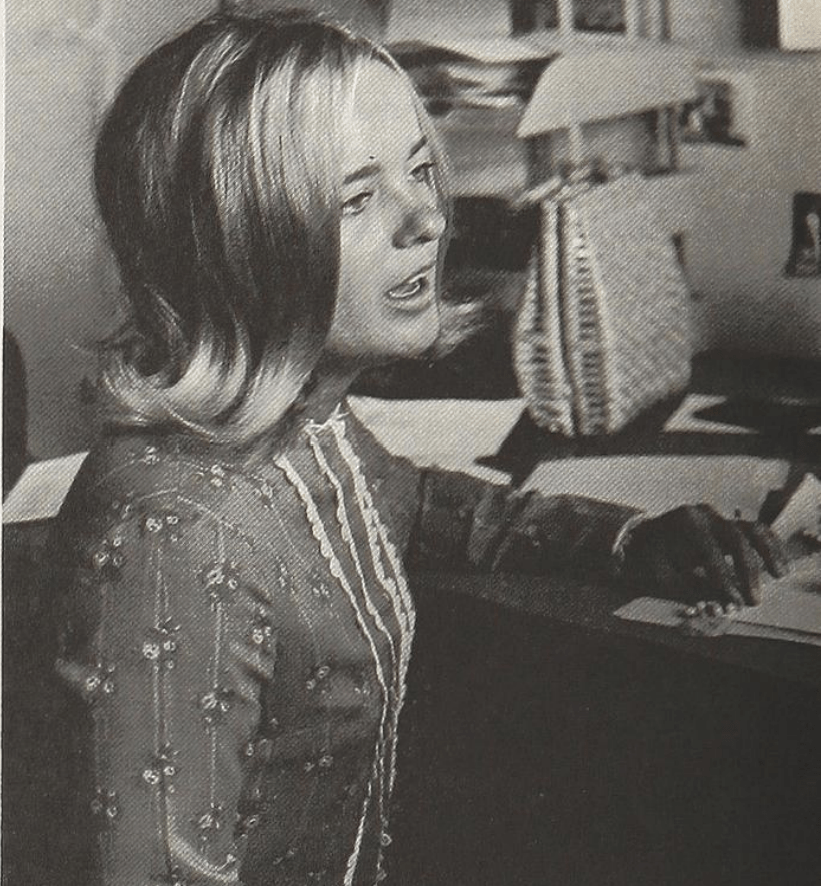
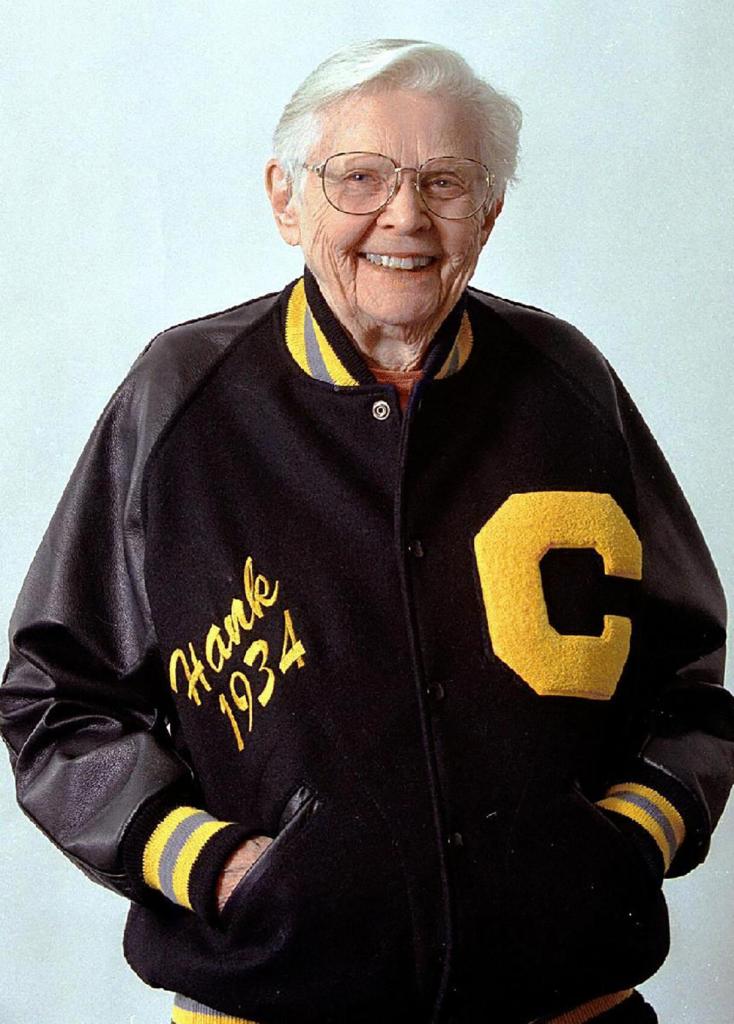
For many decades Henrietta Hays was Grand Junction’s most visible feminist. After a chance elevator ride with Gloria Steinem in NYC, Hays came back to GJ and helped form a local chapter of the National Organization of Women. For their efforts they were rewarded with a burning cross in the yard of the house they were meeting in. Later from the late 1980s to the 2010s Hays wrote a liberal feminist column for the Daily Sentinel. In a 2014, when she was one-hundred years old, she wrote “When I was born, my mother could not vote, nor own property. It was not until six years later, in 1920, that Congress finally passed the 20th Amendment.”
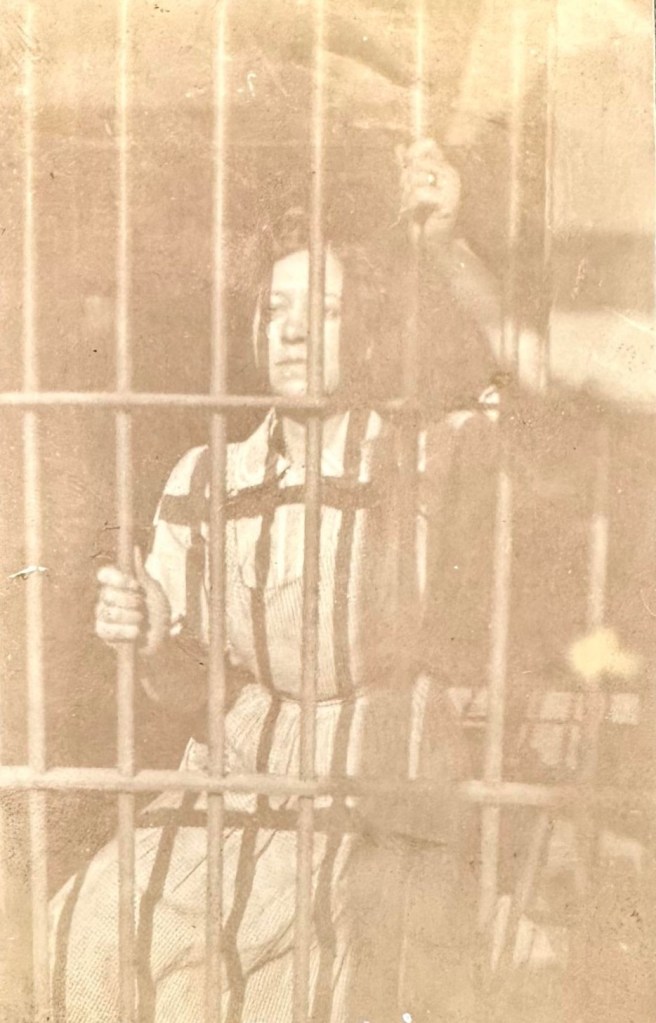
There are too many women in history that get left behind. Women who have nothing written about their lives and struggles. Little will be written about Edna Ainsworth who was just seventeen years old when she died in an attempted home abortion in 1920. Nothing will be written about Silver Tip Bess, a rough riding hard drink cowgirl that was known to fight as hard and as dirty as any man. Some women are lost in the shadow of their husband like Agnes Shores, whose famous husband has taken all the air out of the room, but she was a writer, poet and artist in her own right. Despite her husband working as a railroad cop she was feeding the hobos, “the moment they alighted at the tank or freight station they started uptown to hunt the backdoor where the charity of Agnes Shores flowed out spontaneously to all who asked.” Risk takers like Pearl Harless and Marie Ford, who at great personal risk provided reproductive health care to the women of the Grand Valley long before abortion was legalized, will likely remain obscure and forgotten. But we will say their names!
###
The Revolutionist is 100% volunteer run and subscriber funded. We do not sell our soul for advertising dollars, nor do we prostrate ourselves for grants from the non-profit industrial complex. We are community media. Join the community! Subscribe today at whatever rate you can and get a hard copy of The Revolutionist in your mailbox. Subscribing subsidizes free distribution copies.


 The Revolutionist